Small Bathroom Ideas: Smart Design for Tiny Spaces
Small bathroom ideas to maximize space with smart design, storage, lighting, and fixtures.
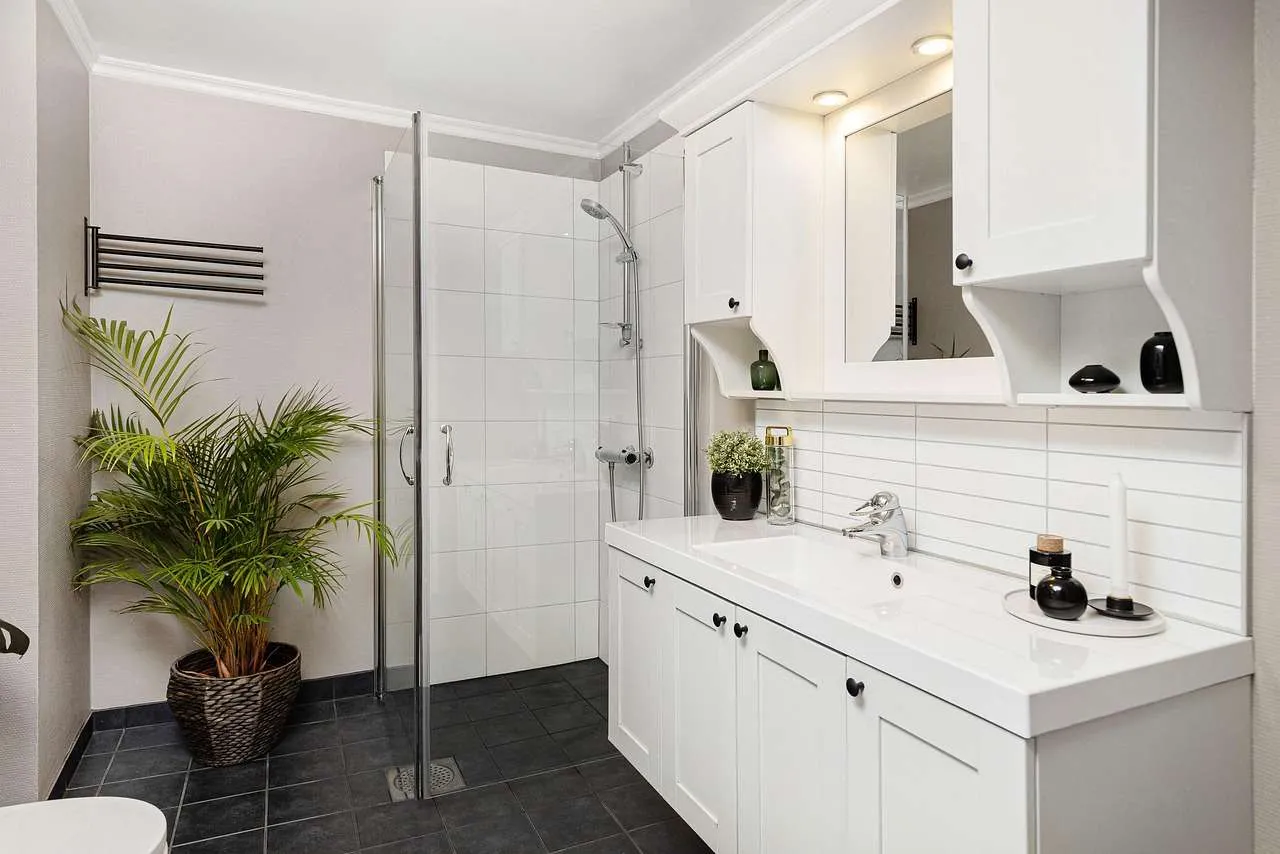
Transform a compact bathroom with small bathroom ideas that maximize space, improve flow, and maintain style. With professional planning and high-quality materials, you can achieve a comfortable, functional bathroom even in the tightest footprints.
Plan and Layout Essentials
Start with a precise floor plan, measure door swings, clearance, and plumbing lines. Consider wall-mounted fixtures, corner showers, and pocket doors to reclaim square footage. A professional designer or licensed contractor can help map out the exact layout to meet local codes and ensure safe, durable installations.
Scale and Traffic Flow
Use a grid approach: aim for at least 30 inches of clear floor space in front of fixtures, 6-8 inches around a vanity, and a comfortable 36-38 inches of aisle between opposing fixtures. In very tight spaces, a float vanity and wall-hung toilet create the illusion of more room while keeping plumbing accessible for maintenance.
Color, Lighting, and Surfaces
Light colors and reflective surfaces instantly brighten a small bathroom. Choose large-format porcelain or ceramic tiles, glass shower enclosures, and a big mirror to bounce light. Layer lighting is essential: ambient ceiling light, task lighting near the vanity, and moisture-rated wall sconces that reduce shadows and improve usability.
Storage and Fixtures
Smart storage is the backbone of small bathroom ideas. Prioritize wall shelving, recessed niches in the shower, a tall medicine cabinet, and a floating vanity with an integrated sink. Opt for a compact, wall-mounted or corner sink to free floor space and improve cleaning access.
Materials and Budget
Choose durable, water-resistant materials that resist humidity and wear. Quartz or solid-surface countertops, porcelain tiles, and acrylic or solid-surface shower walls offer longevity with minimal maintenance. Plan for professional installation for waterproofing and leak protection; a well-designed small bath can stay within an affordable budget by staging upgrades over time.
Accessibility and Safety
Non-slip flooring, rounded edges on furniture, and grab bars near the shower or toilet increase safety without sacrificing style. If you expect long-term use or aging-in-place needs, consider a curbless shower, a comfort-height toilet, and lever handles for easier operation.
Comparative Design Options
| Option | Best For | Pros | Cons |
|---|---|---|---|
| Floating vanity + wall-hung toilet | Most small baths | Frees floor space; easier cleaning; adjustable height | Higher install complexity and cost |
| Corner shower with frameless glass | Expands shower area | Open feel; minimal visual bulk | Grout maintenance; requires precise tiling |
| Pocket door or barn door | Entry clearance | No swing space; maximizes opening | Requires careful framing and hardware |
| Recessed niches and built-in storage | Clutter-free surfaces | Integrated storage; reduces visible clutter | Carpentry adds to cost |
Maintenance and Upkeep
Choose easy-care finishes and schedule regular cleaning to maintain grouts, caulk, and seals. Use humidity-control ventilation and wipe surfaces to prevent water stains. A preventive approach keeps a small bathroom looking good for years and reinforces trust in your space planning.
Conclusion, small bathroom ideas revolve around layout, light, storage, durable materials, and safety. By combining wall-mounted fixtures, bright reflections, and clever built-ins, you can create a bathroom that feels larger, easier to use, and more stylish than its footprint.